Restaurant Digitalization Guide for 2026
Why Is Digital Transformation Inevitable in the Restaurant Industry?
As we reach 2026, the restaurant industry finds itself in the midst of a full-scale digital transformation. Changing consumer habits in the post-pandemic era, rising operating costs, and competitive pressures are driving restaurants toward digitalization more than ever before. According to industry research, the percentage of food and beverage businesses utilizing digital infrastructure reached 67 percent in 2025. Yet a significant portion still operates using traditional methods.
Digitalization is not simply about launching a website or creating social media accounts. Restaurant digitalization means integrating technology across all operations — from menu management to ordering processes, from inventory tracking to customer relations. Businesses that embrace this transformation reduce their costs while simultaneously improving customer satisfaction.
The 5 Core Areas of Digitalization
Restaurant digitalization can be addressed under five main categories. Each area directly impacts your business's efficiency and profitability.
1. Digital Menu Management
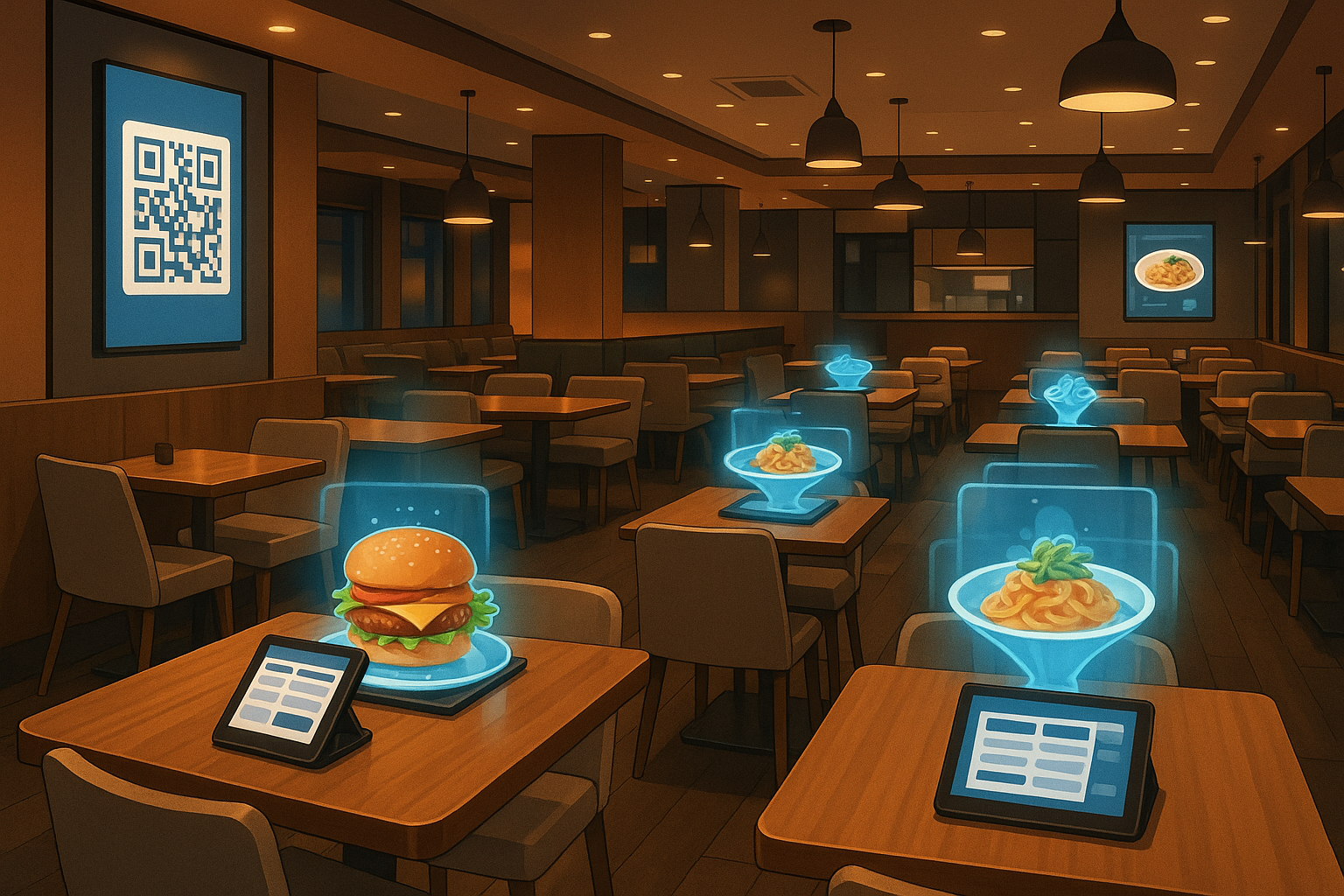
The transition from paper menus to digital menus is the most fundamental step in digitalization. Thanks to QR code-based menus, customers can view the menu from their phones, explore product details, and even access allergen information. The advantages of digital menus include:
- Instant updates — price changes or stock availability can be reflected immediately
- Multi-language support — a tremendous advantage for restaurants in tourist areas
- Visual richness — increased sales through professional product photography
- Calorie and ingredient information — transparency for health-conscious customers
- Zero printing costs — saving thousands annually
2. Order Automation
Digital ordering systems reduce dependency on waitstaff and minimize order errors. Customers can place orders directly by scanning the QR code at their table. This system both accelerates service speed and optimizes staffing costs. Particularly during peak hours, order automation reduces customer wait times by an average of 40 percent.
3. Inventory and Stock Tracking
Digital inventory tracking systems can predict when products will run out. This reduces waste and eliminates the awkward situation of telling customers that a particular item is unavailable. In integrated systems, when a product goes out of stock, it can be automatically removed from the menu.
4. Payment Systems Integration
Contactless payments, QR-based payments, and online payment options are no longer a luxury — they are a customer expectation. Establishing digital payment infrastructure both improves the customer experience and reduces the burden of cash management.
5. Data Analytics and Reporting
Perhaps the most valuable outcome of digitalization is the ability to make data-driven decisions. Which products sell the most? What are the busiest hours? What is the average order value per customer? The answers to these questions can be tracked in real time through digital infrastructure.
Digitalization Roadmap: Where Should You Start?
The most common mistake when beginning the digitalization process is trying to do everything at once. Instead, a step-by-step approach both distributes costs and facilitates team adaptation.
- Month 1: Create a digital menu and place QR codes on tables
- Months 2-3: Collect customer feedback and optimize the menu
- Months 4-5: Implement order automation
- Month 6: Integrate inventory tracking and reporting tools
This phased approach makes it easier for staff to adapt to the new system and allows you to more clearly measure return on investment.
Key Considerations in Digitalization
Several critical points must be considered during the digitalization process:
- User-friendly interface: Choose a system that both staff and customers can use comfortably
- Mobile compatibility: Since the vast majority of customers use smartphones, all systems must be mobile-friendly
- Data security: Protecting customer data is both a legal obligation and a matter of trust
- Technical support: Choose a technology partner that offers 24/7 technical support
- Scalability: Ensure the system can grow as your business expands
Conclusion
In 2026, digitalization has become a fundamental prerequisite for competing in the restaurant industry. Businesses that act early gain both cost advantages and differentiate themselves in customer experience. By starting your digitalization journey today, you can be prepared for tomorrow's competitive landscape. With the right technology partner and a phased transition plan, this transformation can be far easier and faster than you might think.